-
Recent Posts
Archives
Categories
Meta
A snapshot of Spring in Iowa: Dead fish and a dead bill.
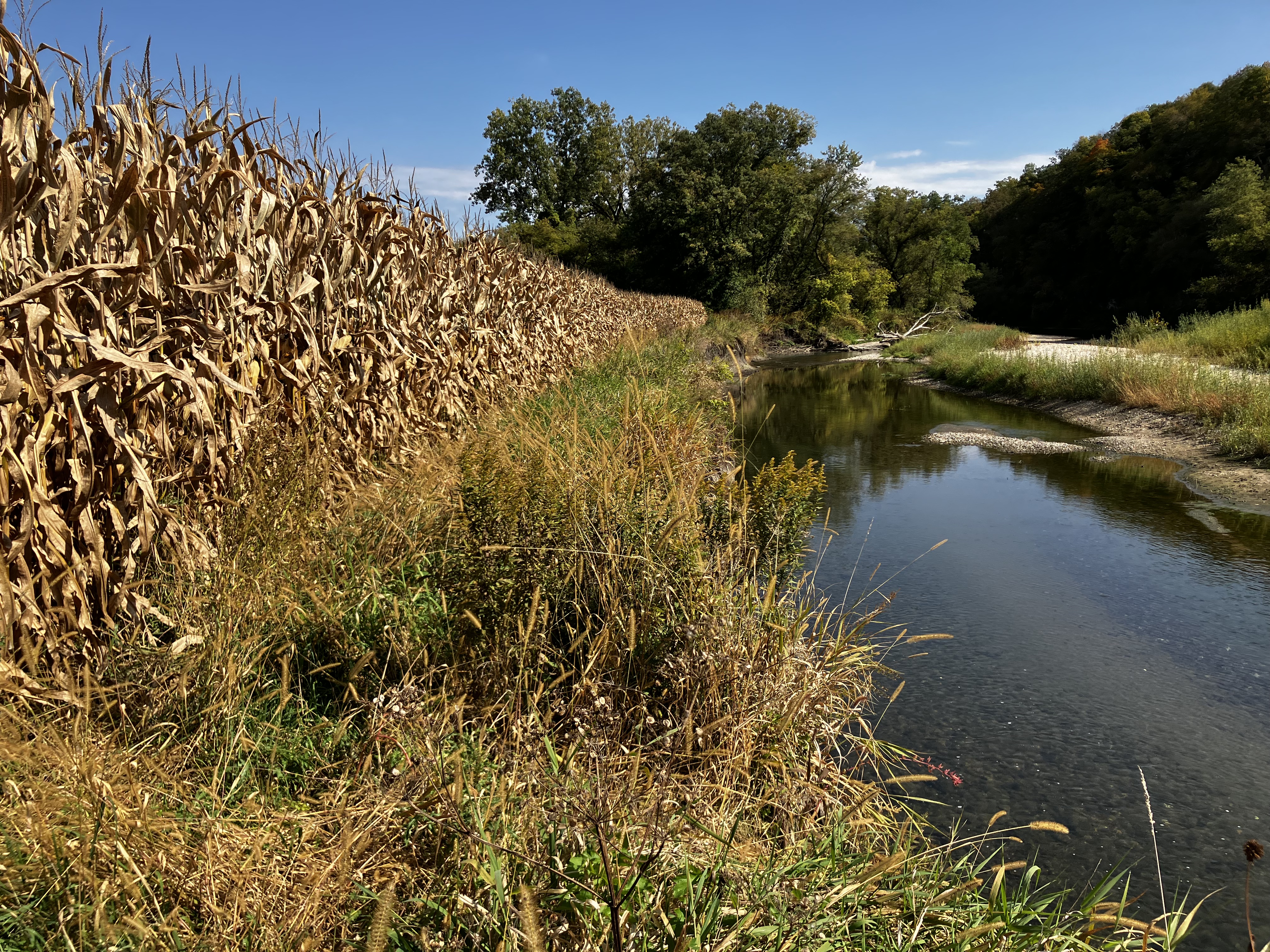
A farmer’s cooperative near Red Oak, Iowa was responsible for a 265,000 gallon spill of liquid nitrogen fertilizer into the East Nishnabotna River last week. According to The Gazette, after four days of field work, a DNR fisheries biologist has not found any living fish (except some not quite dead yet carp) in a 50 mile stretch of the river. The biologist also found dead amphibians, reptiles, and mussels.
In February, the Iowa Senate voted to approve SF2324 which seeks to prohibit the Iowa DNR or its conservation partners, such as Iowa Natural Heritage Foundation from buying land at auction (even with the seller’s approval) to become public natural outdoor conservation areas. Thanks to a large turnout of public land supporters (in person and by contacting legislators) this bill did not survive “funnel” week when law makers see which bill to pursue and which to discard. But we’ve seen these discarded bills perennially reemerge like some persistent zombie. It’s only supporters, lobbyists at The Farm Bureau and The Cattleman’s Association, will be sure to bring us more anti-public land conservation in the future.
Posted in Uncategorized
Leave a comment
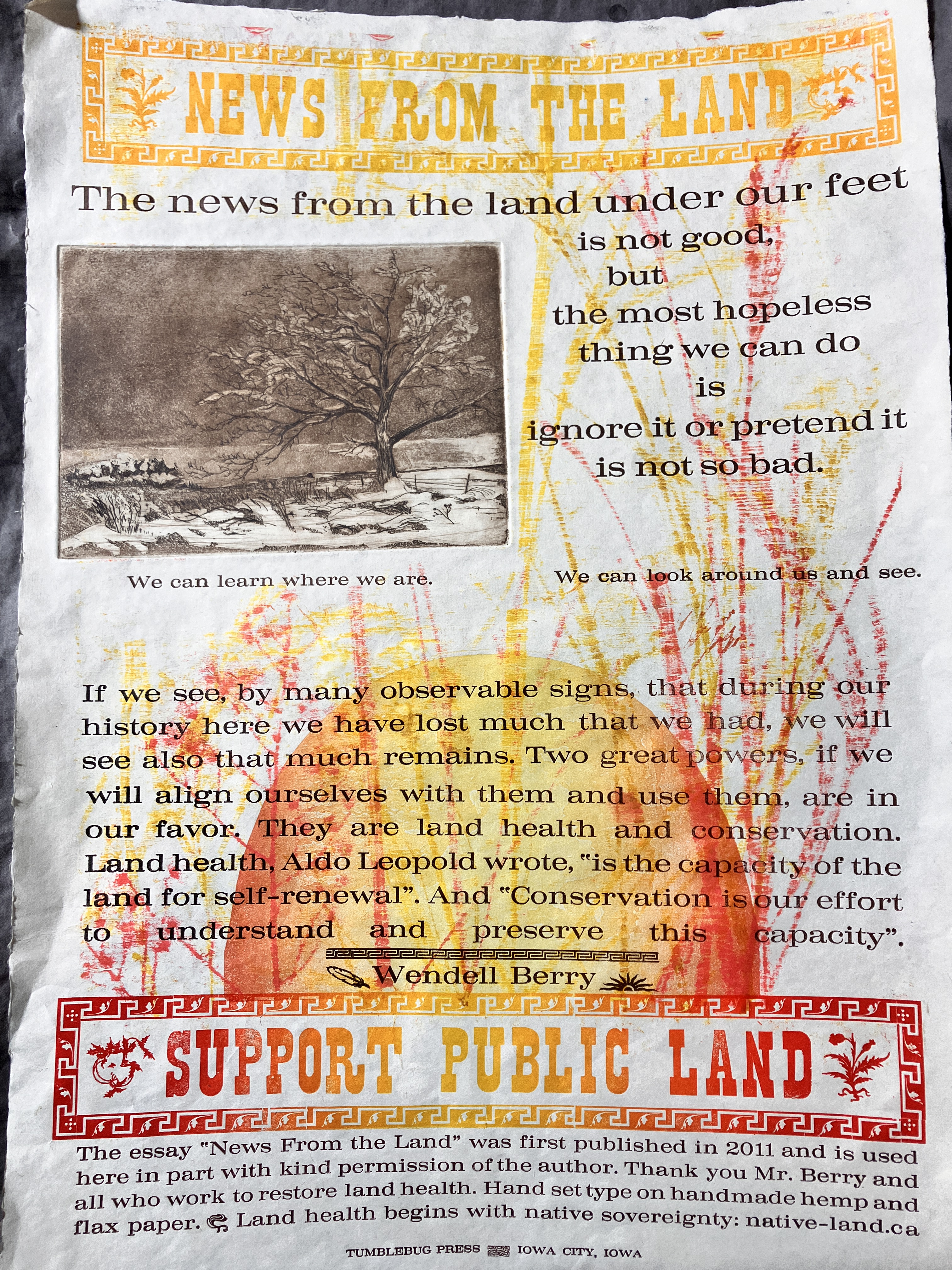
The News From the Land
“The News From the Land” by Wendell Berry first appeared as the foreword to Kentucky’s Natural Heritage: An Illustrated Guide to Biodiveristy published in 2010. It was published as its own essay in The Progressive in 2011, vol. 74 no. 12.
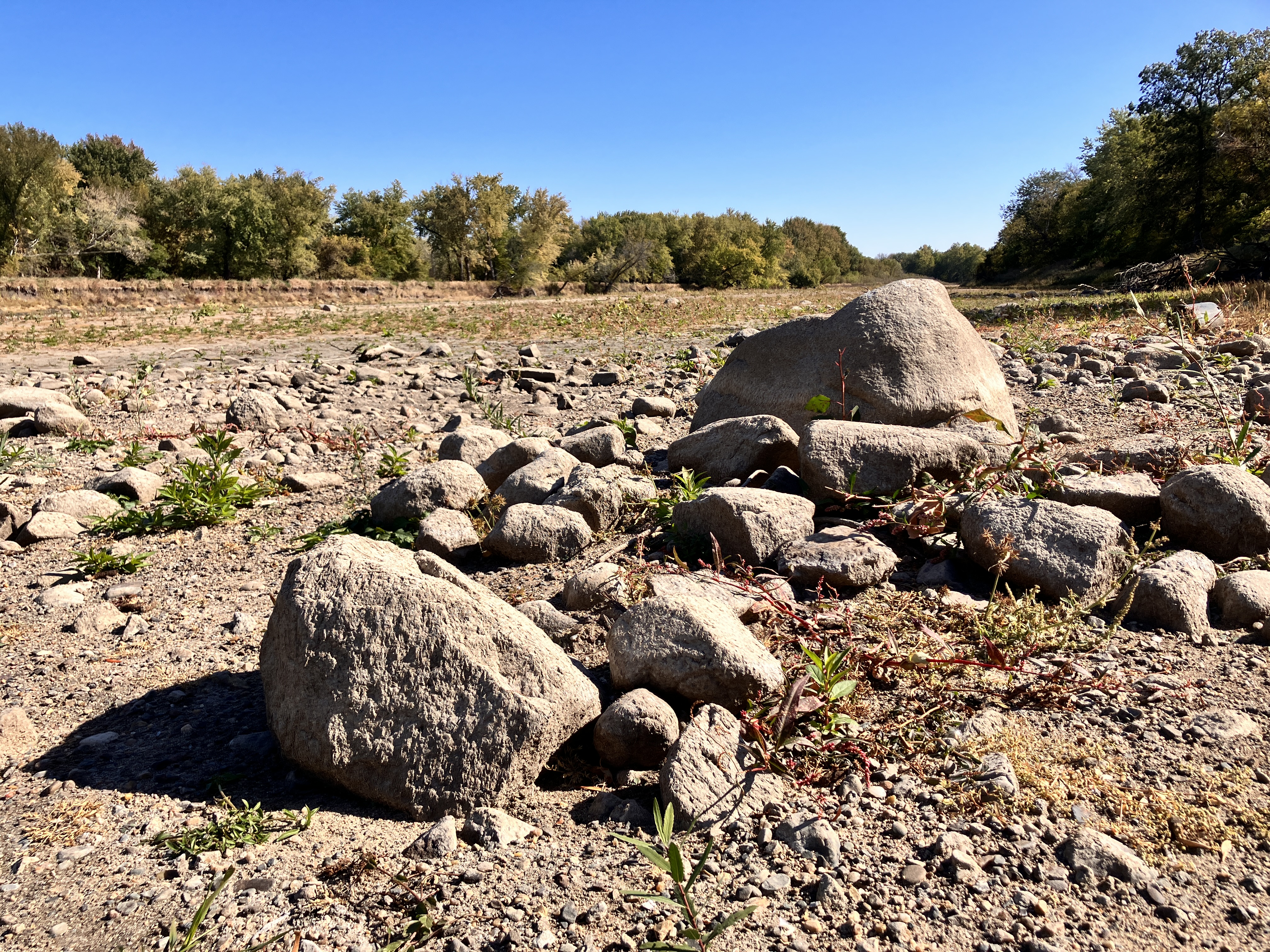
As Mr. Berry writes, “the news from the land under our feet is not good”. No need to sugar coat it. It seems I am seeing creatures and habitat disappear before my eyes. A weedy pasture along a local creek was torn out for a winding cul-de-sac.

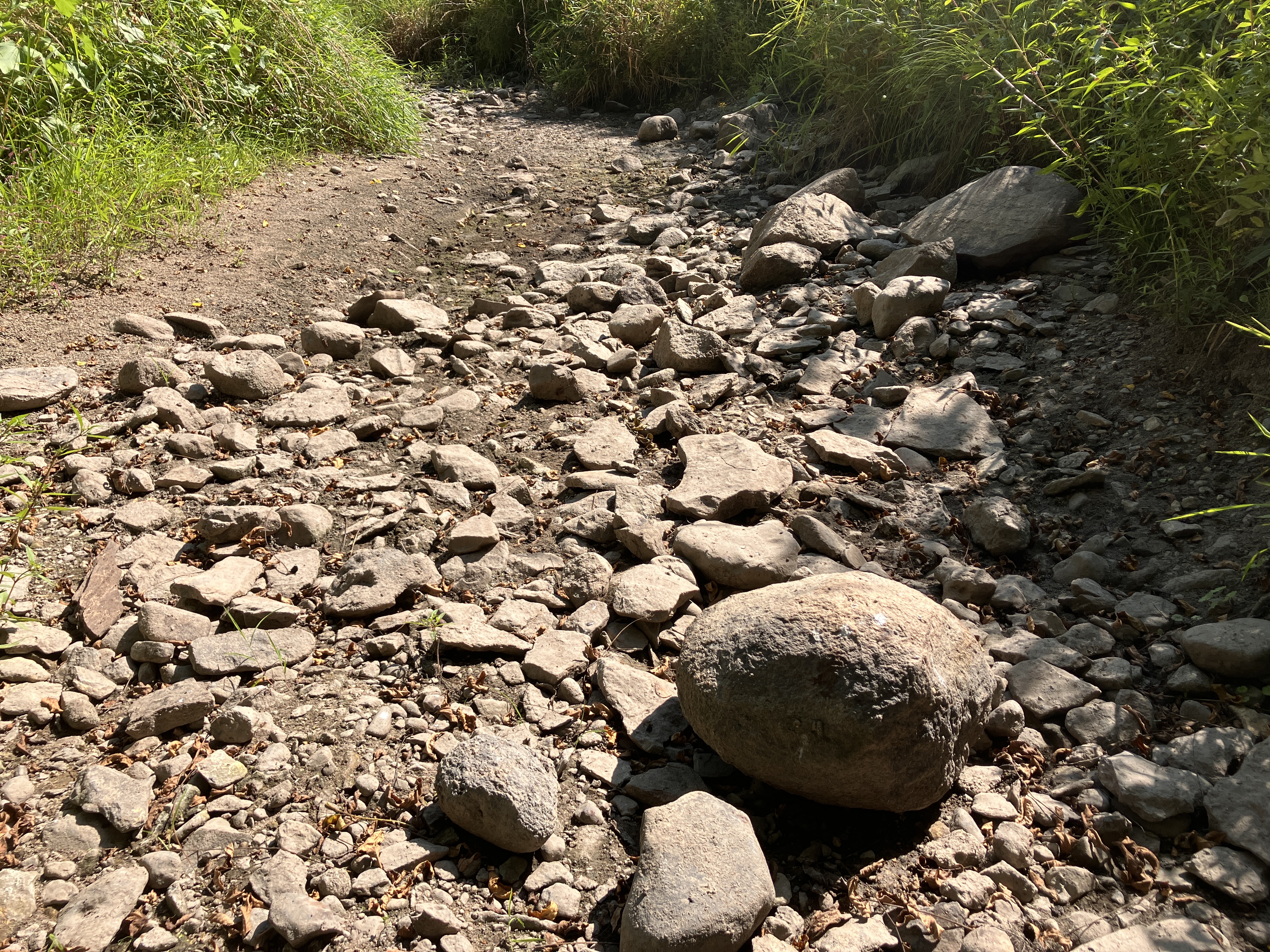
They tore out the fence rows of Osange Orange too. I used to watch eagles perch on nearby oaks. They blew out the beaver dam but fortunately the adaptable rodents moved further upstream. I can’t say as much for the bobwhite that whistled from the fencerow. It seems I see less of birds in general these days. If I doubted myself, this sense was morbidly confirmed by a new study in the journal Science (Rosenberg et al. 2019, 3billionbirds.org) that found out North America has lost approximately 2.9 billion birds since 1970, equivalent to 1 in every 4 birds gone. Where are the flocks of cardinals that used to gather in the late winter snows? Where are the late winter snows? Perhaps I should just be happy that our January rain did rejuvenate our spring fed creeks and streams so they are flowing again. But for how long? From August to December one of our many spring fed perennial creeks was bone dry.
Posted in Uncategorized
Leave a comment
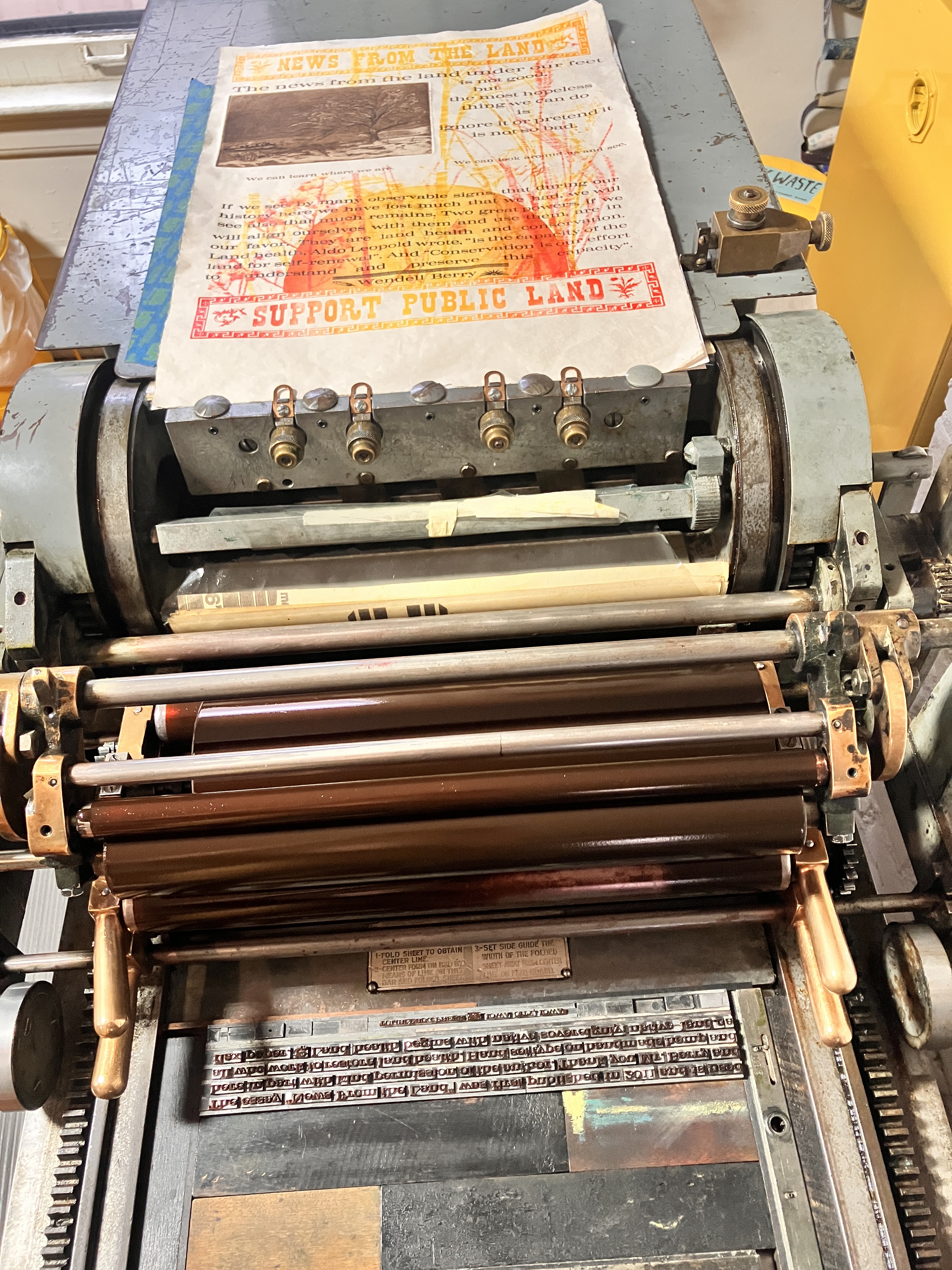
Back in Print!
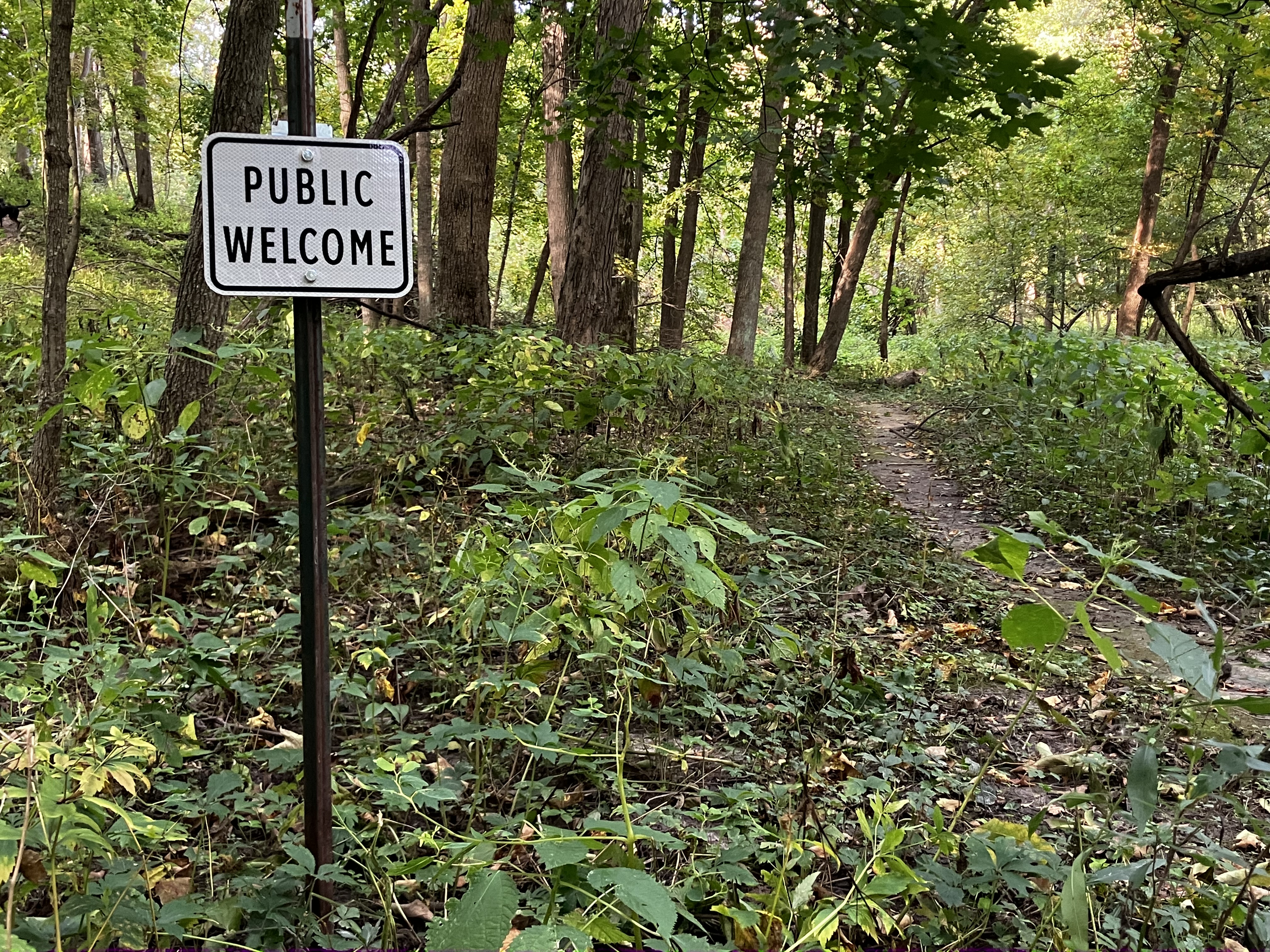
Iowa has the least public land of any other state (except maybe KS and RI) and the current governor is trying to make it harder to create new public land through private land conservation trusts. Public land and those who work to restore land health need support your support.
Posted in Uncategorized
Leave a comment
An Interlude.
We’ll get to Fly Over Country Part III soon, but first a word from our sponsor:
Video by Tumblebug
Posted in Uncategorized
Leave a comment
Fly Over Country: The shit’s in the water (part two)
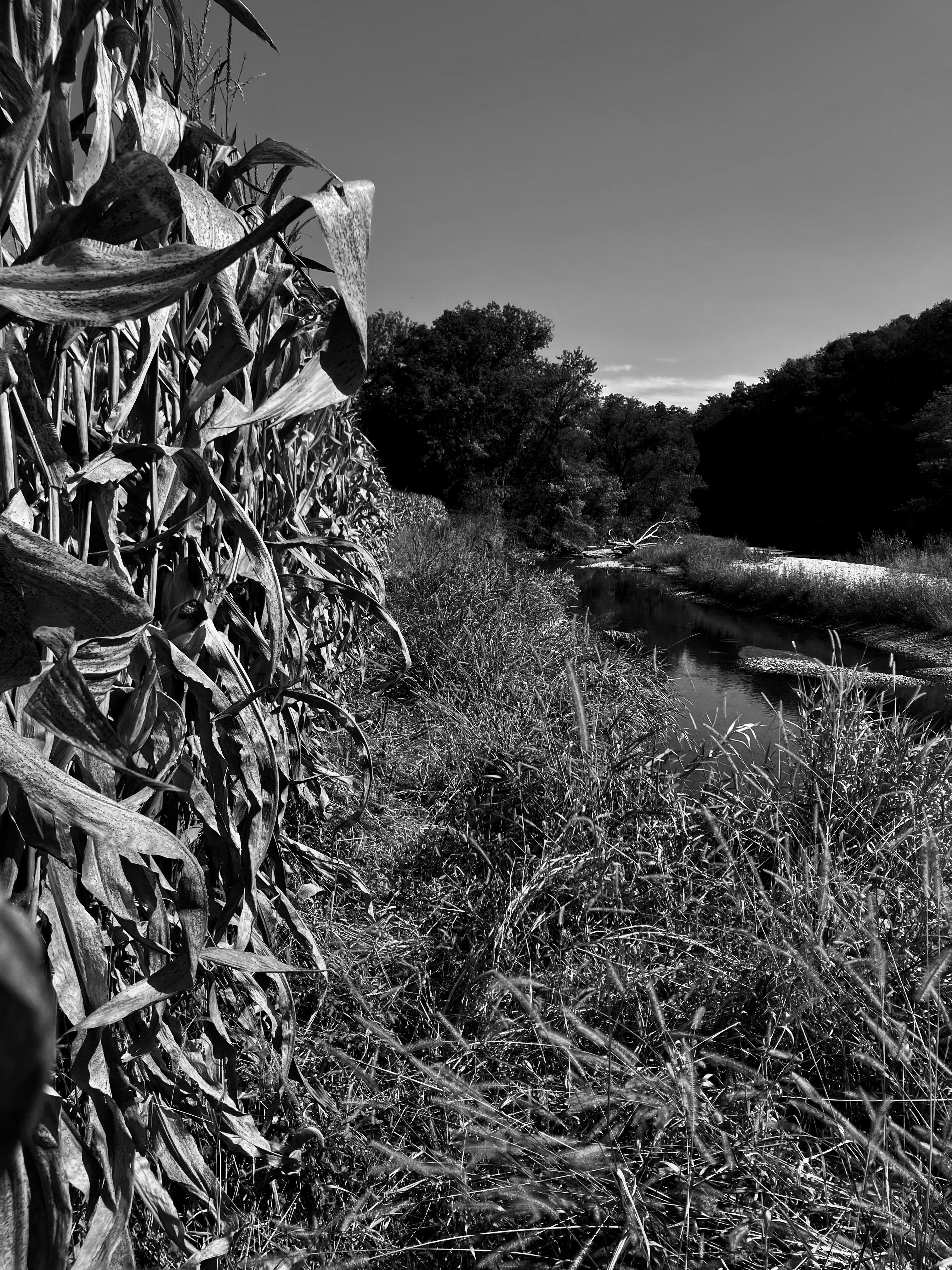
“In the last two hundred years, humans cracked the circle of life held together by phosphorus and replaced it with a line running straight from mines to farms to waters that are, as a consequence, increasingly fouled by toxic algae.” Dan Egan
“All human and animal manure that the world wastes, if it were put back to the land instead of being thrown into the sea, would suffice to feed the world.” Victor Hugo, Les Miserables
As Chris Jones mentions in his book, The Swine Republic, there are only a few times a year when it is ok to apply manure directly to fields and even then it is costly because your paying to basically haul and distribute liquid (aka phosphorus and nitrogen saturated water).
While that seems common sense economics on the surface, it may not be so sensical when considering where commercial fertilizer (aka phosphate) comes from.
I think it was the writer John Nichols who wrote that humans were just invented to transport water from one place to the next. I suppose we were also invented to transport phosphorus. Back in the day, phosphorus was kept in a closed loop. Humans grew plants, raised animals and then used the waste (including human waste, known as nightsoil) to compost back into the soil where phosphorus and nitroge once again become available for crops.
Here in the industrialized West we use phosphatic fertilizers from rocks. Phosphatic rocks occur mostly in near continent marine sediments such as the Pungo River Formation in coastal North Carolina and its southern brother the Statenville Formation in northern Florida. Here among the Miocene whale and shark fossils and petrified wood are the phosphurites that have been mined since the 1880s.
Most farms in Iowa saturate the soil with phosphorus mined in Florida (or China or Morocco) only to have much of it leached out by rainstorms that are channeled via drainage tiles to waterways to creeks to rivers and finally to the Gulf of Mexico. It’s a one way ticket. And we keep paying for another ride.
Posted in Uncategorized
Leave a comment
Fly-over country: The Swine Republic (part one)
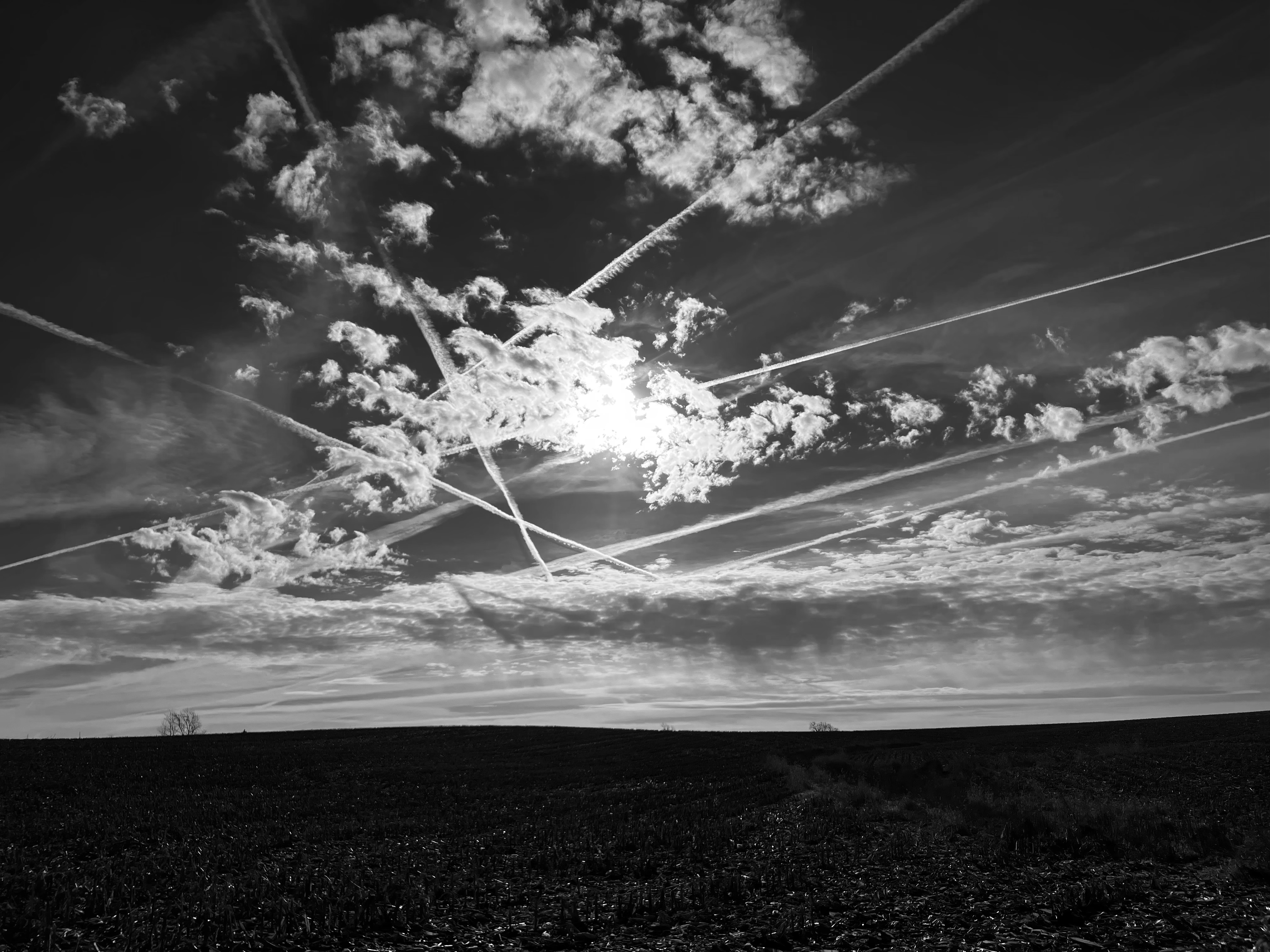
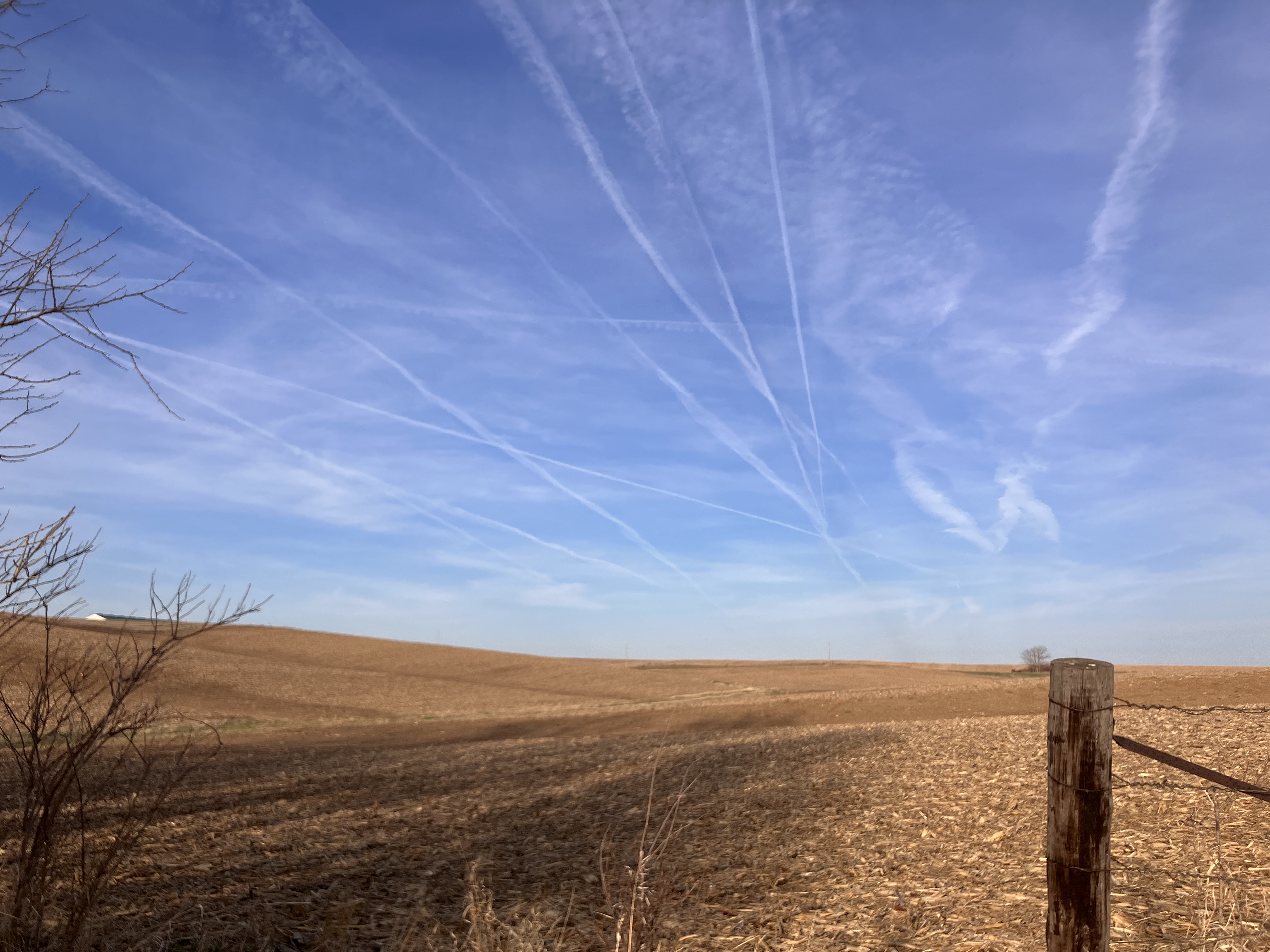
Don’t believe me? There are trails of evidence.
I don’t fly much these days: I see enough of planes from right here. There was a time though when I waited at ticket counters and settled into an aluminum rocket fueled jet and travelled back to Central Standard Time.
I was flying “home” to Iowa one summer day (home was always assumed by family and friends to mean, Iowa, like once you were born to this monolithic idea, you’d best prepare to die here). Jammed into my aisle seat and nose into some book, I stole furtive glances out the Chicklet shaped porthole to watch the land change as we flew over the 100th meridian. Eastward the dried wheatfields give way to irrigated crop circles to the rectangular patchwork of green corn and soybeans. At the window seat a small boy squirmed and, hand and forehead to the window, asked to anyone, “What’s that?!” In the seat next to me, a grizzled distracted dad pulled aside his headphones and leaned into him: “Farms”. As he repositioned his headphones, he added with confidence, “That’s where they grow shit”.
The boy pondered this, and as other Iowa passengers clucked in disbelief and thought I’m certainly not going to going to say anything I couldn’t help but think his Dad had it entirely right. At the time I had no numbers to tally, or research to quote, I knew, compared to the clear mountain waters of the West, Iowa had a water problem. I had seen family farms flattened to become 1,000’s of acres of row crops, the last remaining wetlands tiled and drained, the explosion in number of Confined Animal Feeding Operations (CAFOs) built. This all contributed to Iowa having some of the poorest water quality in the nation. There was too much shit in our water.
Fast forward thirty years later and thanks to Chris Jones, in his book of essays, The Swine Republic, we have the numbers. Iowa continues to have a relatively low state population of around 3 million residents, however our livestock population has blossomed like an algal mass in the Gulf of Mexico. We are now home to 20 million hogs, 80 million laying chickens, nearly 5 million turkeys, and 2 million beef and dairy cattle. According to Mr. Jones, these five livestock animals generate the amount of waste of 134 million people. Of course human waste is treated before traveling downstream but equally unsurprising is that livestock waste is not. We pollute our waters with affluent equal to the 10th largest country in the world.
There’s a reason we are part of fly over country. From 20,000 feet it doesn’t look so bad. But it’s true, this is where we grow shit.
Posted in Uncategorized
Leave a comment
Tumblebug Press: an intersection of print, archives and community.
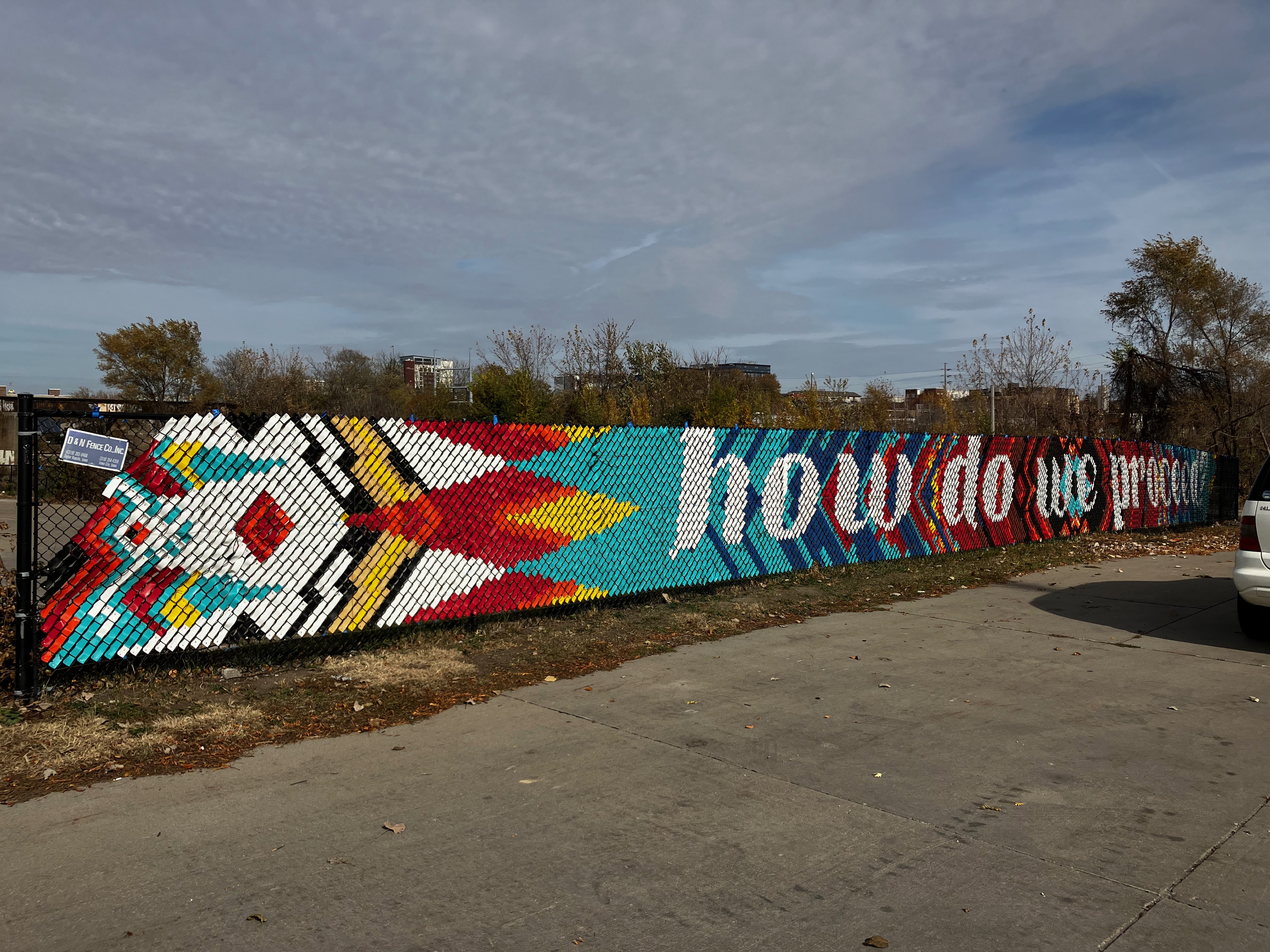
Maybe honoring the treaties and Indigenous sovereignty would be a good place to start.
Public art recently installed near the river trail. The art is gone but the poem remains. For more info: https://iowacitypoetry.com/events/poetry-infrastructure/how-do-we-proceed

Posted in Uncategorized
Leave a comment
 tumblebugpress