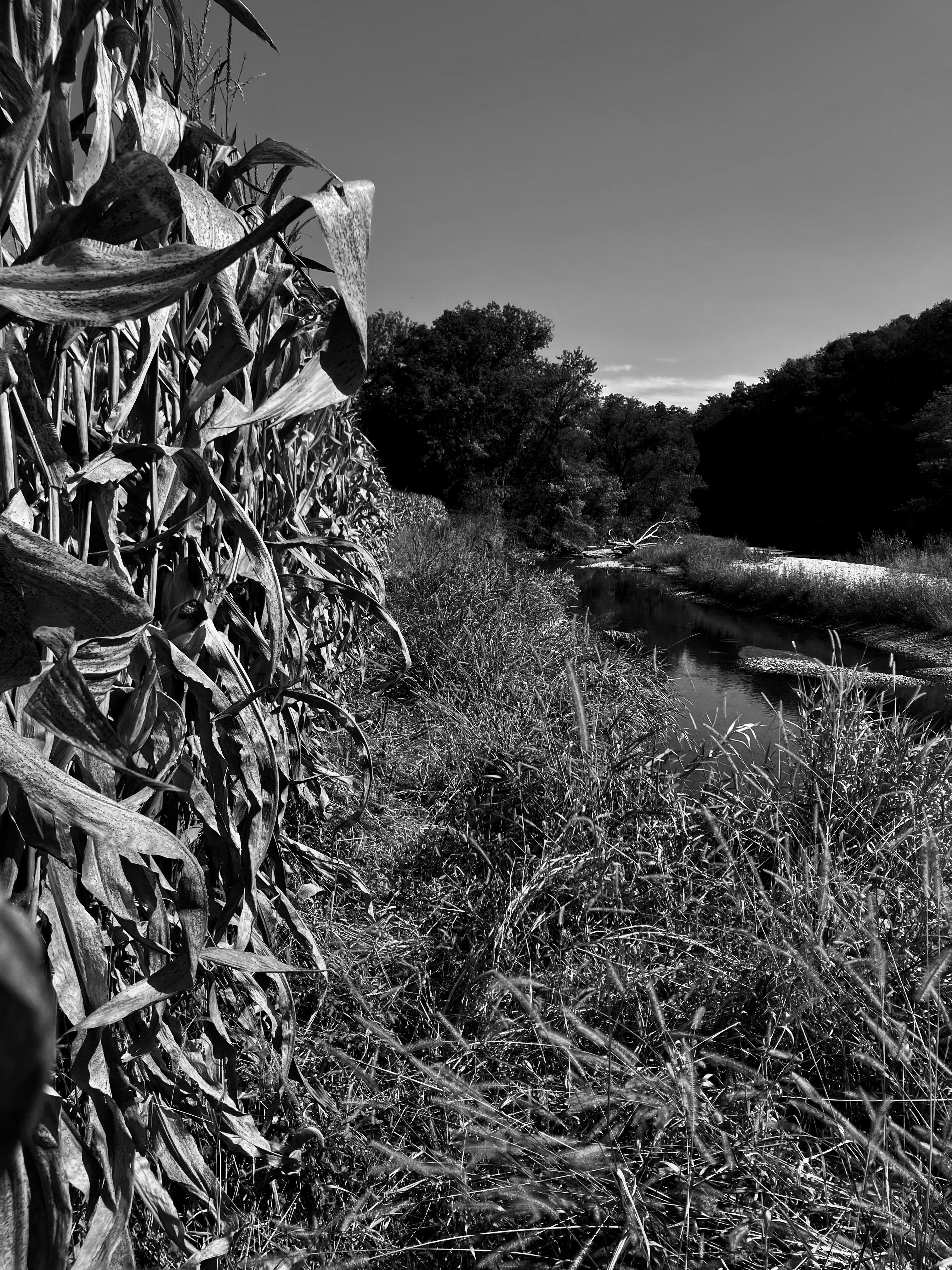
“In the last two hundred years, humans cracked the circle of life held together by phosphorus and replaced it with a line running straight from mines to farms to waters that are, as a consequence, increasingly fouled by toxic algae.” Dan Egan
“All human and animal manure that the world wastes, if it were put back to the land instead of being thrown into the sea, would suffice to feed the world.” Victor Hugo, Les Miserables
As Chris Jones mentions in his book, The Swine Republic, there are only a few times a year when it is ok to apply manure directly to fields and even then it is costly because your paying to basically haul and distribute liquid (aka phosphorus and nitrogen saturated water).
While that seems common sense economics on the surface, it may not be so sensical when considering where commercial fertilizer (aka phosphate) comes from.
I think it was the writer John Nichols who wrote that humans were just invented to transport water from one place to the next. I suppose we were also invented to transport phosphorus. Back in the day, phosphorus was kept in a closed loop. Humans grew plants, raised animals and then used the waste (including human waste, known as nightsoil) to compost back into the soil where phosphorus and nitroge once again become available for crops.
Here in the industrialized West we use phosphatic fertilizers from rocks. Phosphatic rocks occur mostly in near continent marine sediments such as the Pungo River Formation in coastal North Carolina and its southern brother the Statenville Formation in northern Florida. Here among the Miocene whale and shark fossils and petrified wood are the phosphurites that have been mined since the 1880s.
Most farms in Iowa saturate the soil with phosphorus mined in Florida (or China or Morocco) only to have much of it leached out by rainstorms that are channeled via drainage tiles to waterways to creeks to rivers and finally to the Gulf of Mexico. It’s a one way ticket. And we keep paying for another ride.

 tumblebugpress